A well-maintained air conditioner is a quiet, efficient workhorse. Let it slip, and you notice noise, higher bills, and eventually a heatwave where the system gives out. For homeowners in Wood River IL, knowing how often to schedule AC repair — and when to call a trusted pro like B & W Heating & Cooling — turns seasonal comfort from a gamble into predictable service.
This piece lays out practical guidance drawn from field experience: typical timelines, what to watch for, how local weather and home details change the rhythm, and how to budget for service. I also share real-world anecdotes, trade-offs between DIY and professional care, and specific red flags that should trigger a service call.
Why regular service matters in Wood River
Wood River sits in a Midwest climate with hot, humid summers and cold winters. Those summer months push air conditioners hard for months at a stretch, and humidity accelerates corrosion, reduces efficiency, and stresses components. A system that’s left alone can silently lose 5 to 15 percent efficiency per year depending on conditions. That affects comfort and energy costs, and it shortens component life.
Beyond efficiency, regular attention catches small problems before they become big ones. A worn capacitor, a failing fan motor, or a slow refrigerant leak are inexpensive to fix when found early. Wait until the compressor burns out and you are often looking at thousands of dollars to repair or replace the outdoor unit. Scheduling service on a predictable cadence is an insurance policy against those sudden, expensive failures.
How often you should schedule AC repair
There are three different meanings behind the phrase schedule AC repair. One is routine preventive maintenance, another is seasonal tune-ups, and the third is unscheduled repair when something fails. Here is how often to plan for each.
- Preventive maintenance and cleaning: at least once per year for most homes, twice per year if you have a heat pump or an older system. Spring is the best time for that visit so the system is ready for peak summer loads. Quick checks and filter changes: every 1 to 3 months for disposable filters, or as recommended for your specific filter type. Those are homeowner tasks that greatly reduce the need for repairs. Unplanned repairs: as soon as you notice performance issues, odd noises, smells, or higher than normal electric bills. Do not wait. Even if it turns out to be minor, early diagnosis avoids collateral damage.
For many Wood River homeowners, a professional service appointment once a year is the baseline. Homes with pets, heavy dust, older ductwork, or frequent use may benefit from twice-yearly inspections. B & W Heating & Cooling recommends a spring check that includes coil cleaning, refrigerant level check, safety controls test, and electrical inspection.
Signs you need AC repair now
Regular visits are important, but certain symptoms call for immediate inspection. Below are common red flags that indicate you should contact a professional without delay.
The system runs but the house does not cool to set temperature, or it struggles to maintain temperature across rooms. The outdoor unit is freezing over, or there is ice on refrigerant lines. You hear grinding, squealing, or a loud banging from the air handler or compressor. You detect burning smells, persistent musty odors, or refrigerant-sweet smells near vents. The breaker trips repeatedly or the system cycles on and off quickly.Each of those local emergency AC repair can be a simple fix, like a dirty coil or low refrigerant, but some point to serious electrical or mechanical problems that risk further damage or safety issues. A qualified technician can isolate the cause and make the repair before a minor fault becomes a full-system failure.
Maintenance tasks you can and should do between services
Professional visits are essential, but homeowners play a big role in keeping AC systems healthy. The following short checklist summarizes the most effective tasks that reduce repair frequency and cost. These are simple, but they matter.
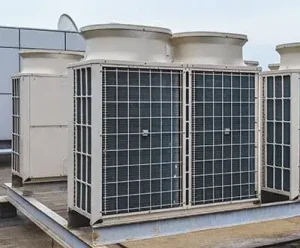
- Replace or clean the air filter on the recommended schedule. Keep the outdoor unit clear of debris, vegetation, and two feet of clearance. Check and clear condensate drain lines if you see water pooling near the indoor unit. Ensure vents and registers are open and unobstructed. Run a quick listen during startup and shutdown to spot unusual noises.
Those steps cut strain on the system and give you early warning signs. For example, a clogged filter forces the blower to work harder and can cause coil freezing, which then leads to compressor damage if not addressed promptly.
How the age and type of system change the schedule
Not all systems age the same. A 3-ton, 10-year-old central AC used in a 2500 square foot house with running fans and pets will require more frequent attention than a new high-efficiency system in a well-sealed 1200 bwheatcool.com AC Repair in Wood River IL square foot home. Here are practical thresholds to help set expectations.
- New systems under warranty: follow the manufacturer schedule, typically a yearly maintenance visit. Properly documented service preserves warranty coverage. Systems 8 to 12 years old: consider twice-yearly inspections. This is the range where components start to wear and parts like fan motors, capacitors, and contactors begin to fail more often. Systems older than 12 years: start planning for replacement. Repairs become more frequent and parts may be harder to source. Annual inspections remain important, but prepare for diminishing returns on continued repairs.
If your system is a heat pump, plan for two professional checkups per year, once before cooling season and once before heating season. Heat pumps do double duty and experience more seasonal wear.
Local factors that push frequency up or down
Wood River has a few local factors to consider. Proximity to busy roads, construction, or agricultural dust can increase filter changes and coil fouling. Homes with older, uninsulated ductwork or poorly sealed windows force the AC to run longer, raising wear. Conversely, tightly sealed newer homes with good insulation and modern thermostats may go longer between professional repairs.
Humidity is another crucial variable. High indoor humidity makes systems work longer because dehumidification is energy intensive. If you keep indoor relative humidity below about 50 percent during summer, the load on the AC drops noticeably. Duct leakage also increases repair frequency indirectly by causing intermittent cycling and uneven cooling.
Cost trade-offs and budgeting for repair
There is no single price that fits every repair, but a useful rule of thumb helps homeowners budget. Small, preventive repairs like capacitor replacement, contactor installation, or motor capacitor changes typically fall into a few hundred dollars. Major failures, such as compressor replacement or a full outdoor unit swap, often run into the thousands.
Homeowners should weigh the cost of a midlife repair against remaining useful life and efficiency gains from a new system. For example, replacing a failing compressor in a 14-year-old unit might cost more than replacing the entire outdoor unit, and even then the older indoor coil and controls remain less efficient. When total repair costs exceed roughly half the price of replacement, replacement becomes a sensible option.
A quoted anecdote: a homeowner called B & W Heating & Cooling with a compressor failure on a 12-year-old system. The repair estimate for a compressor, labor, and refrigerant was close to $3,000. After discussing expected remaining life and efficiency, they chose to replace the unit for a little more money, saving on future repairs and cutting energy use by nearly 30 percent.
When DIY is okay, and when to call pros
There is a clear division between homeowner-suitable tasks and those requiring a licensed technician. Changing filters, clearing debris, and visually inspecting equipment are valid tasks for homeowners. Checking thermostat settings and changing batteries in smart or programmable thermostats are also safe and helpful.
Never attempt repairs involving refrigerant, compressor access, sealed system work, or electrical components beyond simple breaker resets. Refrigerants require EPA certification to handle legally and safely. Capacitors and high-voltage wiring can kill, and improper technique can cause damage that voids warranties. When in doubt, or when the job needs special tools or permits, call a professional like B & W Heating & Cooling.
What a good annual tune-up includes

Not all service visits are created equal. A thorough tune-up addresses both cleaning and diagnostics. Expect a competent technician to do the following during a yearly check:
- Inspect and tighten electrical connections, measure current draw on motors, and test safety switches. Clean or fin-comb condenser coils and check refrigerant charge by gauge reading against design specs. Clean or inspect evaporator coils and ensure adequate airflow across the coil. Test thermostat performance and calibrate controls where needed. Inspect condensate drainage and clean or flush drain lines.
Documentation matters. Ask for a written report showing measurements and any recommendations. AC Repair in Wood River IL That helps you track trends year to year, spot creeping inefficiencies, and preserve warranty claims that require proof of regular maintenance.
How long before failure becomes likely
Predicting exact failure timing is impossible, but experience suggests unscheduled failure becomes more probable beyond the ten-year mark for typical systems with heavy summertime use. Units that have been neglected, lack refrigerant, or show frequent short cycling often fail sooner. Regular maintenance pushes that window out. Conversely, skipped maintenance and signs ignored translate to earlier and often more catastrophic failures.
Seasonal timing: when to book your service
Book your annual professional tune-up in early spring. That ensures the system is clean, calibrated, and ready for peak use. If you wait until the first heat wave, scheduling delays and higher emergency call rates can leave you waiting in the worst weather. If your system is older or showing trouble in summer, call immediately rather than postponing until cooler weather.
For heat pumps, schedule one visit in spring and one in fall. That prepares the system for both cooling and heating seasons and checks reversing valves and defrost controls that are unique to heat pumps.
How B & W Heating & Cooling approaches frequency and repairs
A service provider should tailor recommendations to the home, not offer one-size-fits-all plans. B & W Heating & Cooling emphasizes condition-based scheduling. That means using a combination of the homeowner’s usage patterns, system age, and measured performance metrics to recommend yearly or twice-yearly inspections. They aim to catch 80 to 90 percent of common failure modes during scheduled maintenance, reducing the incidence of AC Repair Wood River IL B & W Heating & Cooling emergency repairs.
A quick real example: a home in Wood River enrolled in a maintenance plan with B & W Heating & Cooling had semiannual visits. During a spring visit, the technician found low refrigerant pressure and a small leak in a serviceable line. Fixing that cost a few hundred dollars and restored efficiency. The homeowner avoided a mid-July breakdown and a larger compressor failure.
Final practical guidelines
Plan at minimum for one professional maintenance visit per year, ideally in spring. Increase frequency to twice per year if your system is older than about eight years, if you use a heat pump, or if conditions around your home increase dust and strain. Do the small tasks between service visits: change filters, keep the outdoor unit clean, and listen for odd noises. When red flags appear, call a professional without delay.
If you live in Wood River IL and want an honest assessment of your system, a single diagnostic visit can establish a baseline and set a realistic maintenance cadence. That prevents surprises, keeps energy bills lower, and extends equipment life. B & W Heating & Cooling provides tailored recommendations based on equipment condition and usage, and they can explain the trade-off between ongoing repairs and the economics of replacement.
Regular care is not optional if you value consistent comfort and predictable expenses. Schedule smartly, inspect regularly, and act quickly on warning signs, and your AC will reward you with many cooler, quieter summers.
B & W Heating & Cooling
3925 Blackburn Rd, Edwardsville, IL 62025
+1 (618) 254-0645
[email protected]
Website: https://www.bwheatcool.com/